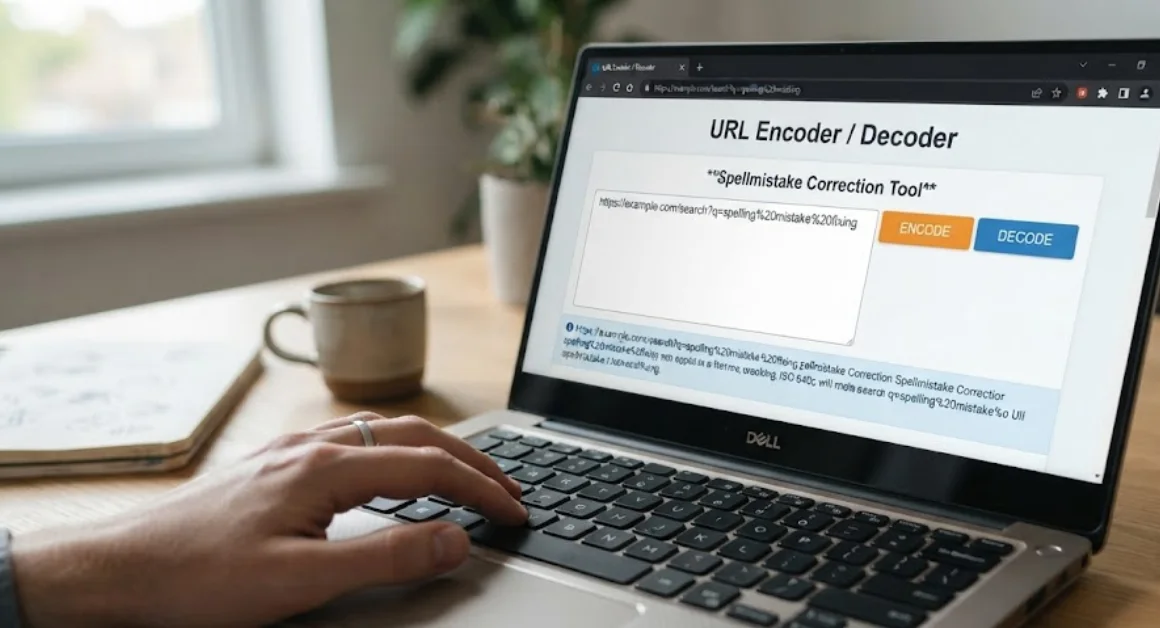
The digital world is made of code, but the human world of impulse, speed, and error. A wonderful structural undercurrent has now developed where search engine advertising and search engine results converge. With platforms getting more and more “integrated” and automated, an intriguing structural “hole” has opened up at the intersection of search engine advertising and search engine results. The optimization (SEO), data cleaning, and social media scraping.
Many times, web addresses with typographical errors or improperly formatted query strings are copied by a user or an automated script and then passed through an online converter tool. For developers and data analysts, it’s now called the URL decoder spellmistake liability, and it’s no longer a back-end annoyance. It’s a significant traffic, user experience (UX), and brand authority drain.
Knowing how broken strings and unescaped characters can cause problems for your data pipeline is essential for modern digital strategists, creators, and platform managers. Whether you’re aiming to attract high-intent traffic or understand the complete customer journey of your brand across digital platforms, you need to learn how to read, interpret, and improve these fragmented paths to ensure flawless growth—without any hidden frictions.
What Are the Core Mechanics of String Corruption in Today’s Search?
The only way to comprehend the structural typo and how it relates to a systemic traffic drain is to consider how the data flows through each layer of the web.
If data from the web is extracted or shared, then special characters are replaced with percent-encoded strings, such as replacing a space with %20. However, if the creators do not use web scrapers that are optimized for the website or if the user enters queries into the search engine using symbols in the wrong order, regular formatting of the text is destroyed.
This causes a chain of misread data if an automated system or an analyst tries to correct it by using a flawed online script. This technical breakdown affects your digital footprint in three distinct aspects.
1. Automated Scraper Collisions
There are a number of social media scheduling tools and analytics platforms that use automated text and metadata scrapers. If a scraper encounters an unencoded query string or an incorrect type of query string, it may fail to include the link at all or to retrieve any snippets from it. This can harm the organic reach of your content on platforms.
2. Algorithmic Misalignment
Search engines are intelligent; they are not psychic. Structural errors in strings when indexed or passed through analytics make your keyword data muddy. Algorithms aren’t able to pick up on a high-traffic search term, but rather consider the incoming search traffic as junk or bounce traffic.
3. The Drop-off Phase of the Psychological Process
From the human side, if the user clicks a link in a social media bio or an external article that ends up on a broken or a raw string of percent-encoded text, trust is in an instant lost. In the fast-paced digital culture, you’ve only got 2 seconds to capture a visitor’s attention, or they’ll move on to another competitor.
How Can You Run a Tactical Assessment of Your Data Pipeline and Fix It?
Addressing vulnerabilities revealed by URL decoder spellmistake issues demands a proactive and multi-layered link building and content cleanliness.
Step 1: Standardise using Universal cleaners.
Do not use simple scripts that have not been tested by your browser to make bulk redirects or text decoding. Use strong rules at the server side which will automatically detect typical encoding mistakes like lowercase percent codes or backslashes at the end of the string before returning a 404 error.
Step 2: Map the Applications to the New Computing Hardware.
Human error is to be expected, so plan your web design to accommodate it. Install dynamic redirect rules (regex) in your server configuration. You need to have a tracking link that’s able to match the most similar destination path that is valid if a user accidentally messes up a tracking link in their social media post, or copies a corrupted string from a social media caption.
Step 3:The Next Step is to optimize the Social Metadata Source.
Avoid string corruption in the first place by making sure that your outbound strings are completely clean. Making use of a clean presentation layer is crucial when allocating assets onto competitive platforms. For example, if you’re creating an aesthetic brand tone on visual apps, then combining your clean URLs with minimalist lifestyle captions that you’ve carefully curated is going to make a huge difference in engagement and reduce human error typing.
What Is the Strategic Matrix Called “Handling Input Faults” in This Module?
To master digital asset management, you must understand which elements to automate and which to work on yourself. The matrix below highlights some of the typical mistakes and how to correct them without wasting engineering resources.
Imagine the situation of a lifestyle brand taking on a very large-scale influencer campaign. It’s common for dozens of creators to simply copy an unvalidated URL into their bios, but a little trailing character typo in it can make standard browsers misread the endpoint.
Brands that don’t have a fault-tolerant redirect structure lose thousands of attribution points as soon as. On the other hand, companies that track error messages in their raw logs can resume that traffic immediately and send the misdirected users directly to the appropriate landing page.
What Are the Advanced Strategies for Predictive Link Hardening?
You don’t want to wait for an error to show up in your analytics log as you scale your presence online. Insiders in the industry are using predictive link hardening to ensure that they stay bulletproof.
- Make sure there is Universal Lowercase Routing: Human typing is unpredictable. Make sure your content management system can flush out the casing errors by defaulting everything that comes in to lowercase paths before it goes to your database.
- Separate out Tracking Parameters from Content Slugs: Make your main URLs short and semantic. Ensure that tracking variables are only appended to the path with standardized and clean delimiter practices so as not to cause third-party platform scrapers to mess up the destination path.
- When you need to use keywords that are related to your writing, or cultural trends, keep your outbound copy architecture very scannable. In localized marketing, using clear, localized language in your asset links helps maintain readable text and minimizes the risk of potential miscopying of the various assets on your site.
What Are the Key Takeaways and Next Steps That Are Identified?
The secret behind the web determines the success rate of your content. A minor technical detail such as a URL decoder spell mistake may appear to be a backend detail, but if it’s not fixed, it can negatively affect the tracking, your search engine positioning and the level of trust your users have in you.
Be in control of your data flow now with a complete audit of your high-traffic links. Look for 404 traffic in your server logs from tracking parameters that are out of shape, and add strong, automated redirect parameters in place to help trap clicks that have gone astray. Brands that don’t create any technical obstacles always get the market share in the digital world.
Frequently Asked Questions(FAQ)
So what is a URL decoder spell mistake error?
It is a problem of data corruption or tracking failure caused by text decoding tools or server-side scripts that do not work with a URL that has typographical errors, unescaped special characters, or improper percent-encoding formatting.
What is the impact of broken URLs on my site’s ranking in SEO?
A few broken links won’t cause your site to die, but if there are many unhandled 404 errors or even corrupt tracking strings, that’s a clue to the search algorithm that your site is not well maintained, which will affect crawling efficiency and overall domain authority.
Will automated products correct encoding errors in social media in the back?
No. If a corrupted link is present in a piece of static text or has been shared outside of the text, then the text cannot be modified to change the link. You’ll have to deal with the error yourself using server-side redirect rules that allow you to see the changed path on your live site and direct it there.